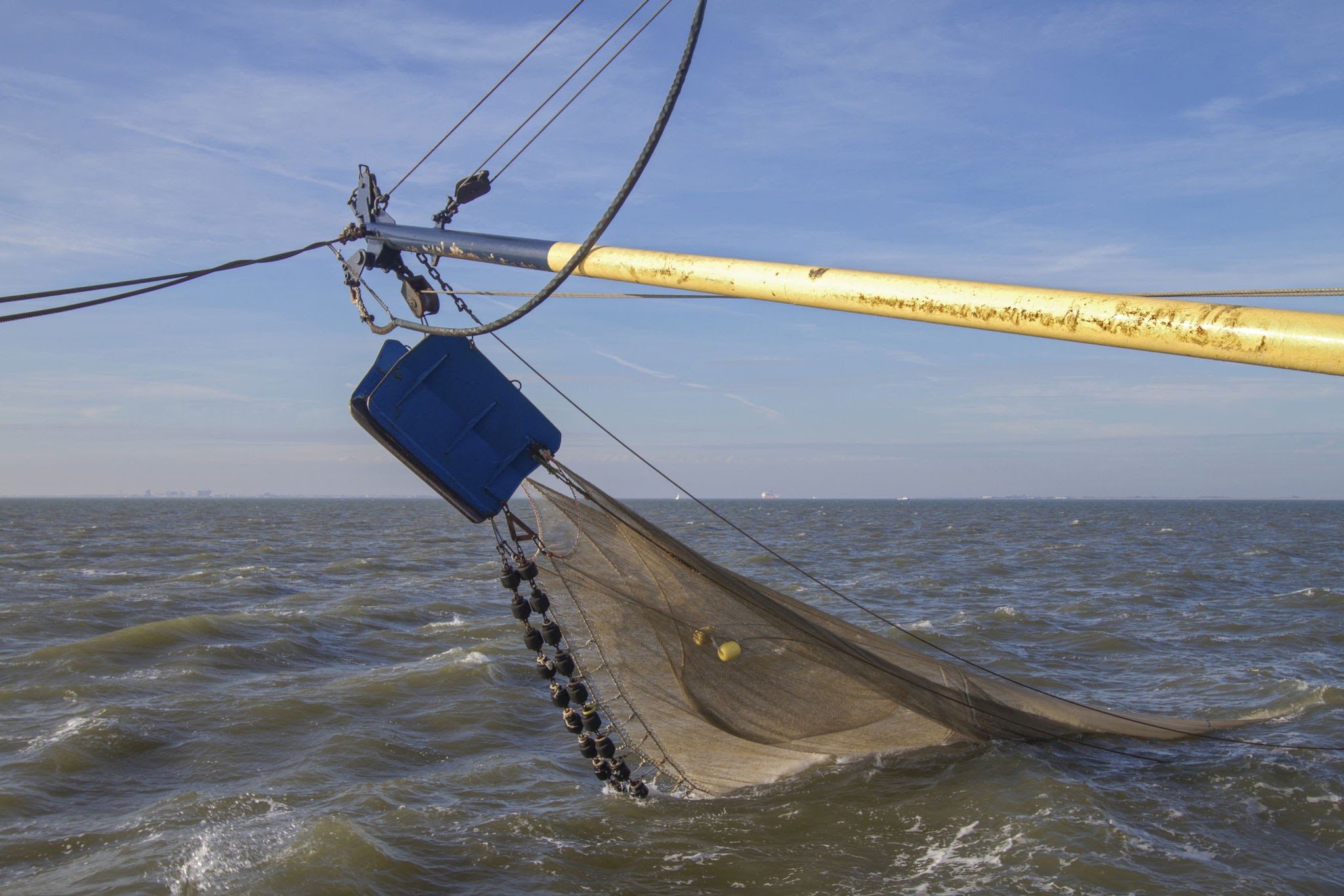
Commercial Fishing
Modern Fishery Monitoring & Electronic Technologies
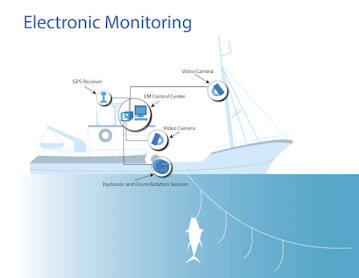
Modern commercial fishing boats use high-tech equipment—such as satellite GPS, electronic cameras, and artificial intelligence—to pinpoint exactly where marine life is gathering. As outlined by NOAA Fisheries on Electronic Technologies, these digital tools monitor vessel positions and catch data. While designed to help enforce catch limits, this advanced technology also makes it much easier for fishing fleets to locate key feeding areas used by top predators like sharks. Because sharks grow slowly and produce very few offspring, being constantly tracked leaves them with fewer places in the ocean to hide and safely reproduce.
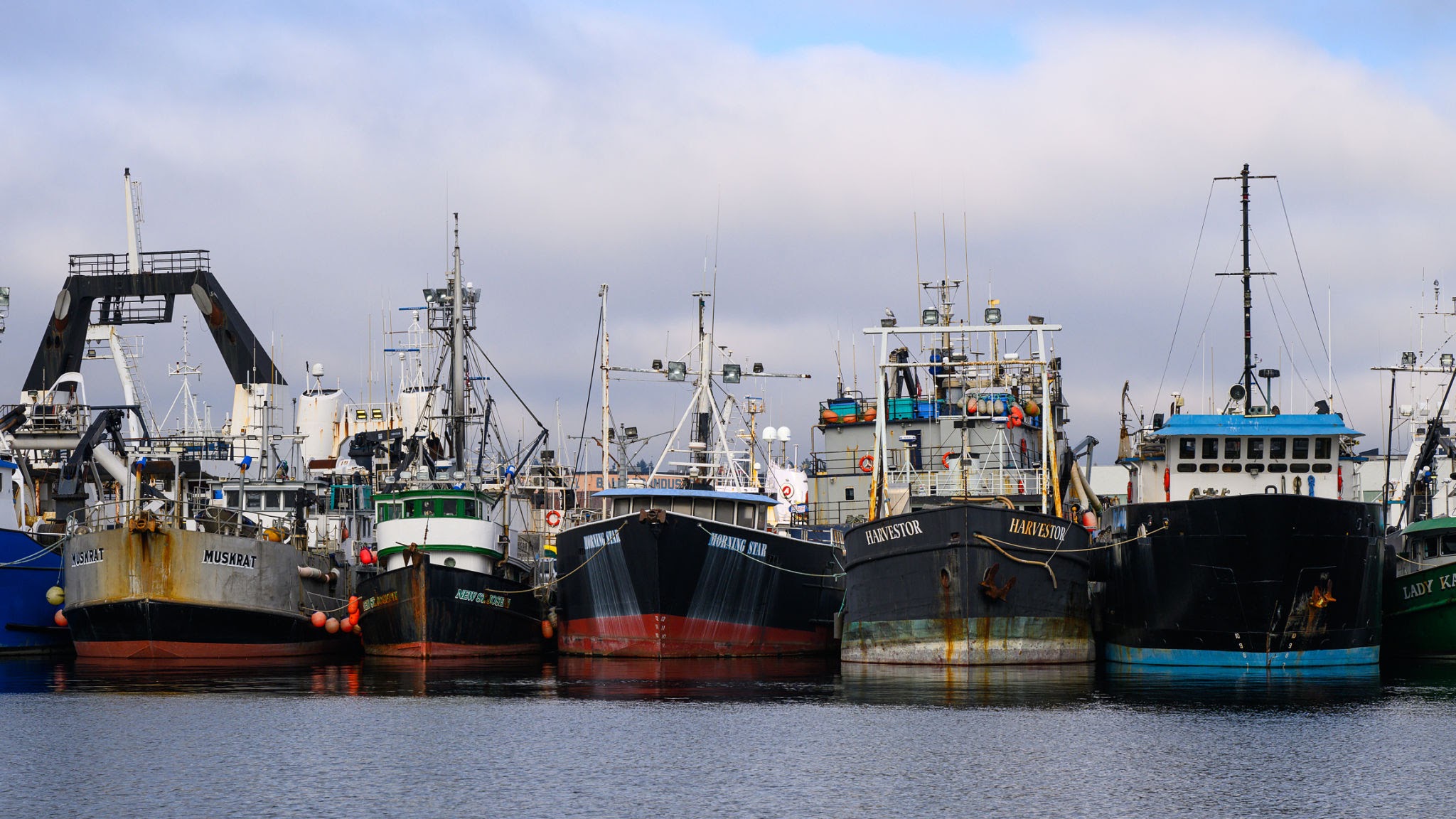
Massive Rise in the Number of Fishing Boats
Global fishing capacity expanded significantly over the late 20th century. Historical data published in FAO Fishery Fleet Statistics shows that the total number of decked fishing vessels worldwide doubled from approximately 600,000 in 1970 to over 1,200,000 by 1990. With twice as many heavy boats searching the oceans every day, the sheer volume of hooks, lines, and nets in the water increased drastically. This sharp rise in fleet size drives severe overfishing, which depletes the prey sharks rely on for food and drives down overall shark populations.
Giant Nets Cause Accidental Shark Deaths (Bycatch)
Commercial fleets frequently deploy massive nets that are dragged through open ocean waters to catch large schools of target fish. According to NOAA Fisheries' Guide on Midwater Trawls, midwater trawl gear is designed to scoop up large volumes of sea life in the water column. Because these nets are so huge, they accidentally capture non-target animals, including sharks, sea turtles, and dolphins—a problem known as bycatch. Trapped sharks can drown from a lack of water flow over their gills or suffer severe injuries under the heavy weight of the catch before they can ever be released back into the sea.