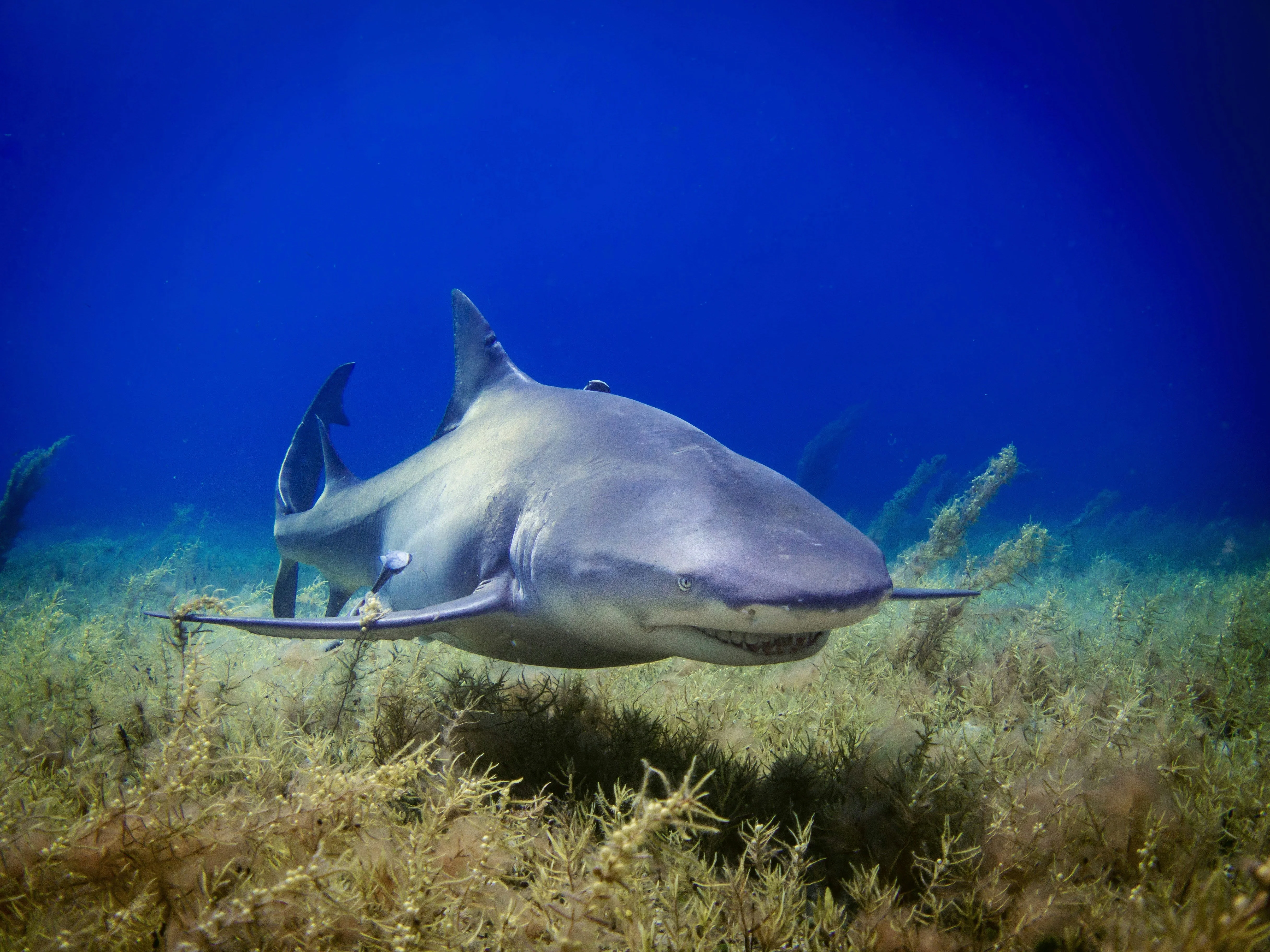
Climate Change Leading to Habitat Loss
Warming Oceans Force Sharks to Lose Their Home Habitats
As human activities release more greenhouse gases into the atmosphere, ocean temperatures are rising and weather patterns are growing more extreme. According to research by the University of Miami Shark Research Center and NOAA Fisheries on Sharks and Climate Change, these rising temperatures destroy critical underwater environments like coastal nurseries and coral reefs. Sharks are cold-blooded creatures, meaning they rely on surrounding water temperatures to regulate their bodies. As shallow coastal waters overheat, many species are forced to leave their traditional habitats and migrate farther toward cooler polar waters or dive deeper into colder ocean zones where food is much harder to find.
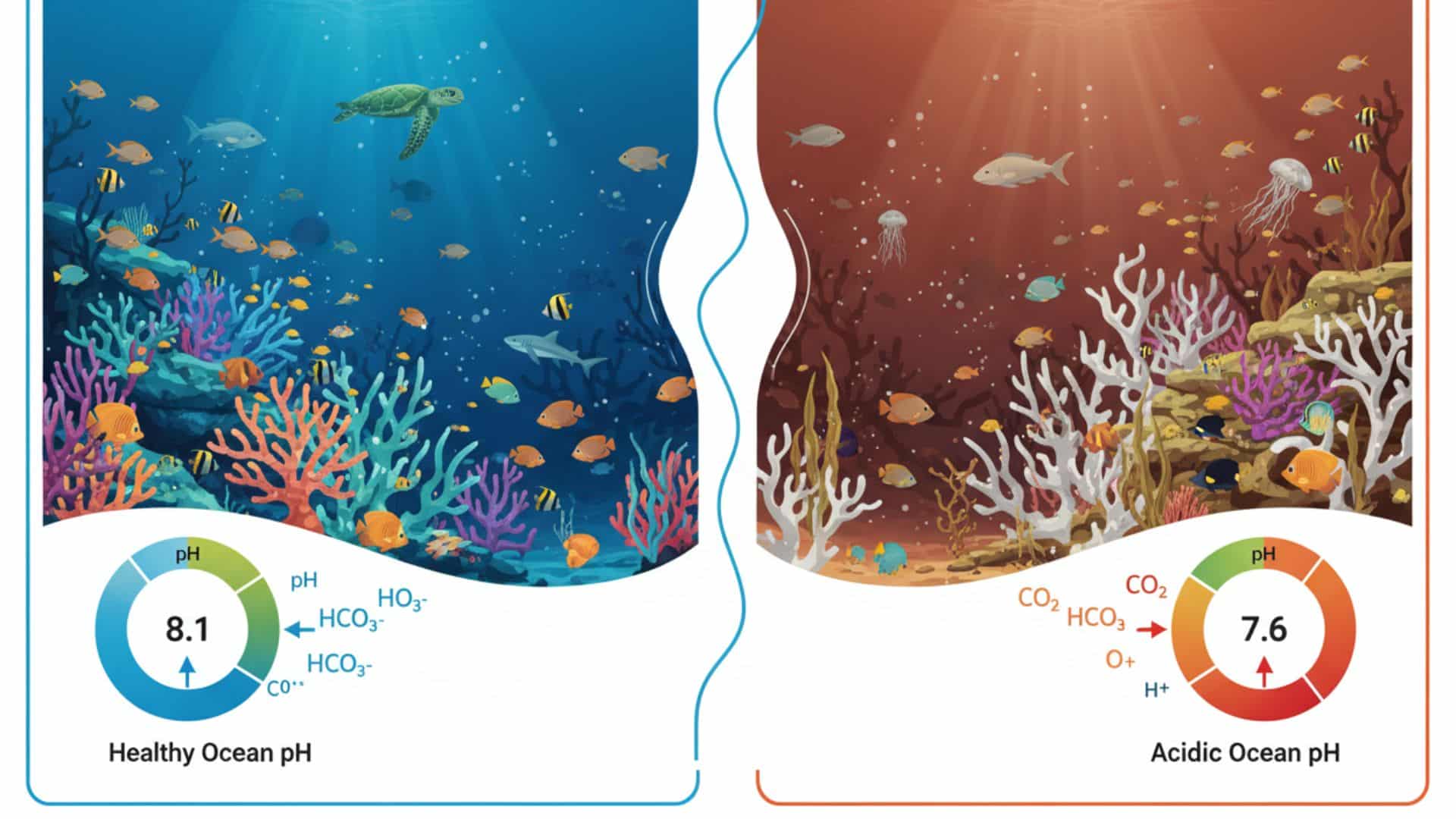
Ocean Acidification Weakens Marine Ecosystems
Burning fossil fuels increases carbon dioxide in the atmosphere, and the ocean absorbs roughly a quarter of those emissions. As highlighted by the IUCN Brief on Ocean Acidification and NOAA National Ocean Service, when excess CO2 mixes with seawater, it creates carbonic acid and makes the ocean significantly more acidic. This rapid chemical change breaks down calcium carbonate, making it difficult for corals, plankton, and shellfish to build their protective shells and structures. Studies in ScienceDirect show that as these smaller organisms suffer, entire reef habitats dissolve and collapse, removing essential shelter and breeding grounds that prey animals rely on to survive.
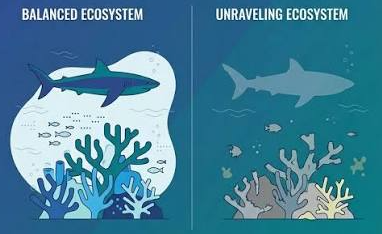
Climate Change Disrupts Shark Food Chains and Survival
Because climate change affects every level of the ocean, it triggers a chain reaction that harms sharks from the bottom of the food web up. As detailed by NOAA Fisheries' Feature on Climate Effects and Cornell Wildlife Health, warming waters alter ocean currents that carry vital nutrients for small prey fish and squid. As these prey species move to find cooler water, sharks must travel much farther or expend more energy just to find dinner. This constant energetic stress, combined with degraded habitats and shifting prey locations, slows down shark growth and reproduction, making it even harder for these top predators to survive in a rapidly changing world.